July 20, 2026
Landscaping elements like mature oaks and towering pines add aesthetic value to residential and commercial properties. These massive plants offer shade, improve air quality, and establish a natural ambiance. Over time, disease, storm damage, or structural decay compromises their stability. When branches wither or trunks develop deep cracks, property owners face difficult maintenance decisions. Taking action becomes necessary to prevent catastrophic property damage or severe injury. The process of tree removal requires careful planning and deep arboricultural knowledge.
Frequent amateur attempts to clear dying vegetation result in disastrous consequences. While home improvement projects remain popular, felling massive timber falls outside the scope of household maintenance. The sheer weight and height of mature flora demand immense respect and specialized expertise. Professionals spend extensive periods studying structural biology, physics, and safety protocols to manage such formidable tasks. Attempting this work without proper education invites unacceptable risks. Contacting qualified arborists ensures the work proceeds with maximum safety and efficiency.
Evaluating the Physical Hazards
Cutting down massive wood structures involves immense physical peril. Gravity dictates that heavy limbs and colossal trunks plummet with devastating force. Amateurs lack the training to predict the precise trajectory of falling timber. A minor miscalculation in cutting angles sends enormous weight crashing in unexpected directions. This unpredictability threatens bystanders standing in the immediate vicinity. Without proper directional felling techniques, descending wood becomes an uncontrollable hazard.
The working environment introduces severe complications. Workers maneuver at extreme heights while operating heavy machinery suspended in the air. According to the Occupational Safety and Health Administration, three common dangers associated with tree care are falling branches, power lines, and faulty safety equipment. Untrained individuals fail to recognize these environmental threats until accidents occur. Specialized experts conduct thorough site assessments to identify such dangers before cutting begins.
Electrical lines pose a lethal threat during tree removal. Dense foliage conceals active power cables, making them invisible from the ground. A falling branch striking a live wire conducts intense electricity through the timber, creating a fatal shock hazard for individuals touching the main trunk. Certified arborists possess the expertise to coordinate with utility companies and navigate these energized obstacles without causing an incident.
In addition, internal decay compromises wood integrity in hidden ways. A trunk appearing solid on the exterior might harbor unseen rot inside the core. When chainsaws cut into hollow wood, the entire structure can collapse without warning. Professionals utilize specialized sounding techniques and visual inspections to assess internal stability, preventing sudden structural failures during the extraction process. Identifying core rot dictates the strategy.
Examining the Specialized Gear
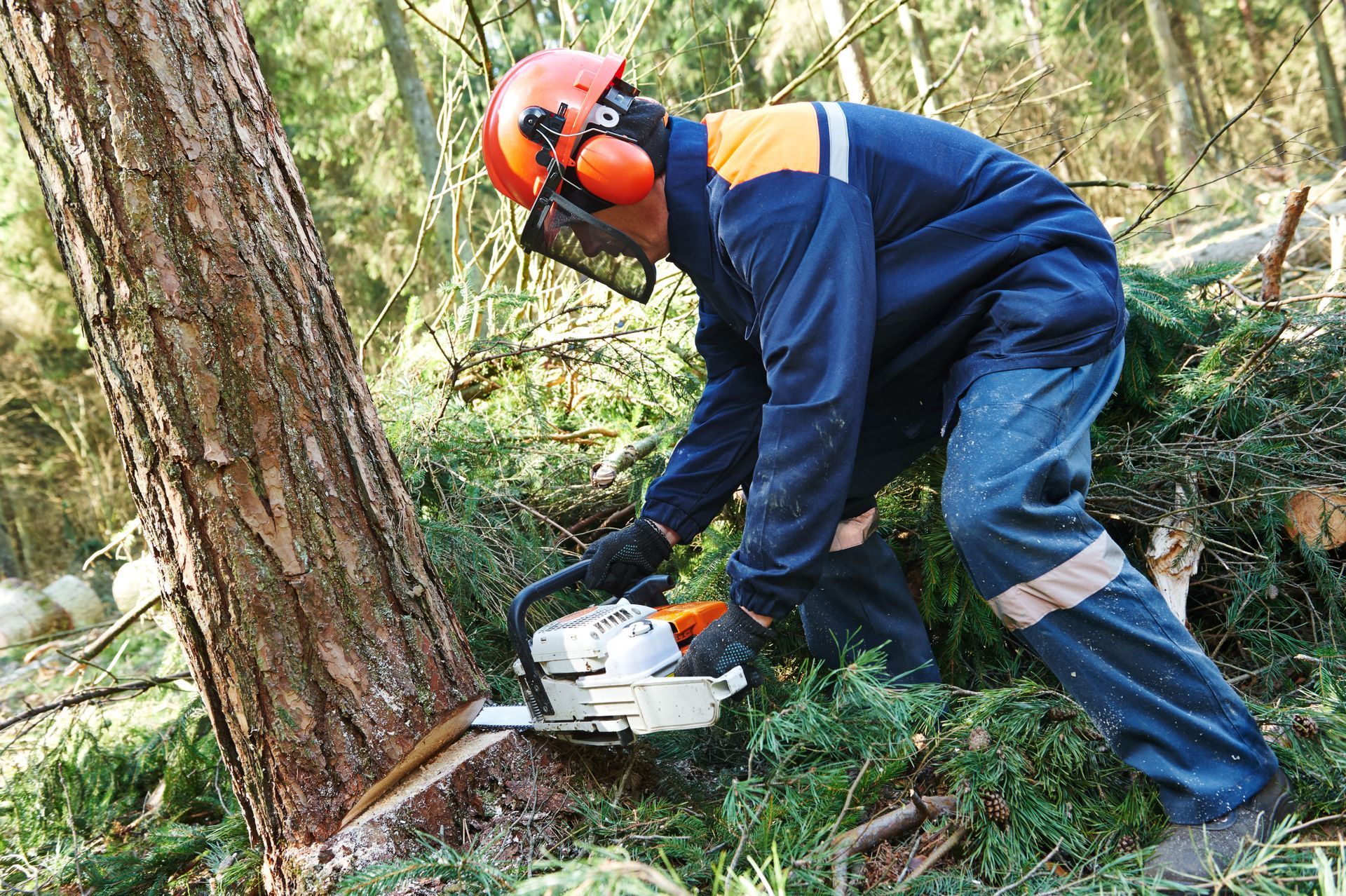
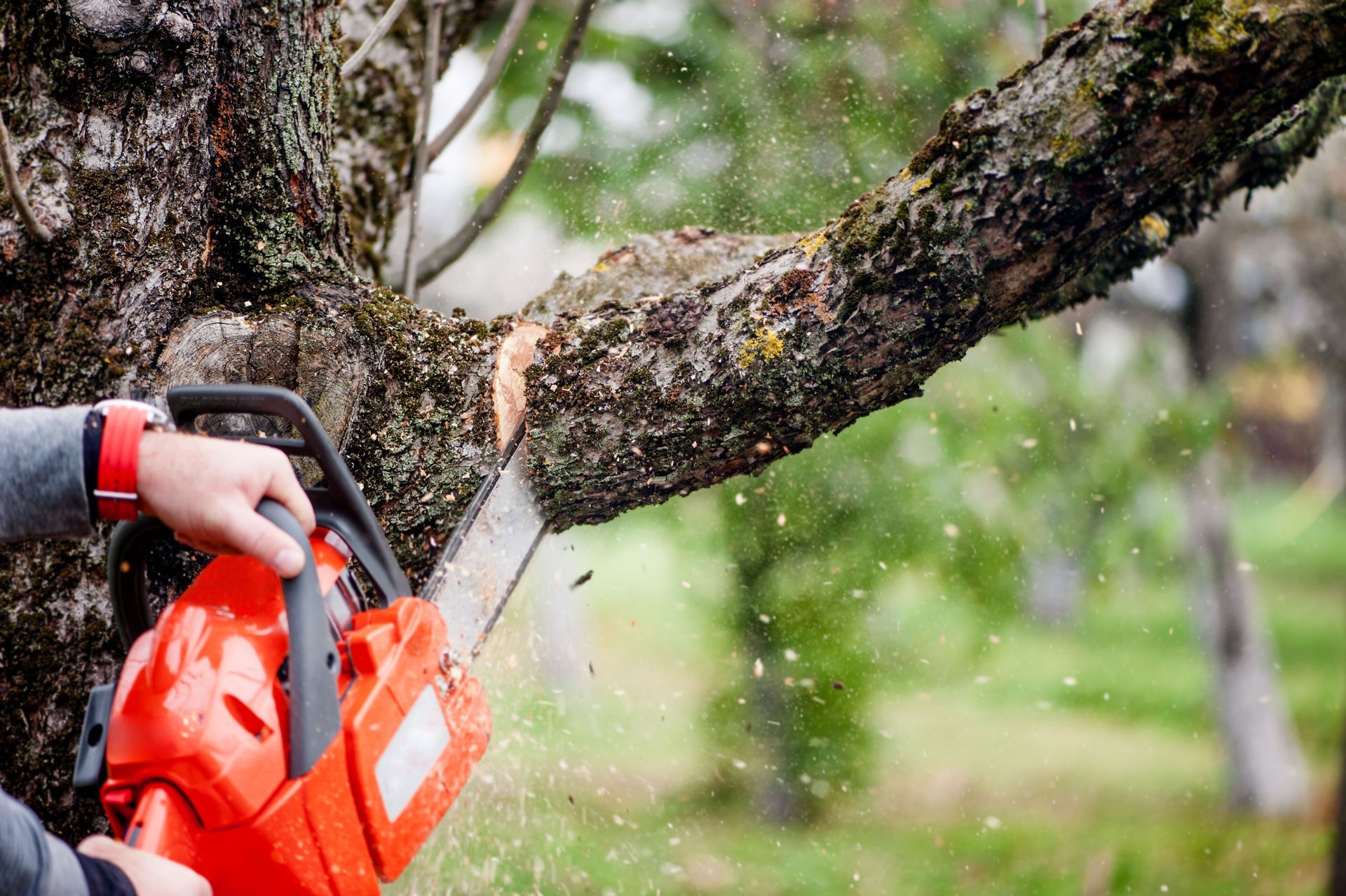
Standard garage tools prove inadequate for complex tree removal. Felling operations necessitate industrial chainsaws equipped with extended guide bars and massive engine horsepower. Retail saws lack the necessary torque required to slice through dense hardwoods with optimal efficiency. When underpowered tools bind inside thick trunks, operators experience violent kickback forces, leading to severe lacerations. Professional crews invest massive capital into maintaining fleets of specialized saws.
Beyond cutting implements, safe aerial extraction demands intricate rope rigging systems. Arborists utilize dynamic climbing ropes, friction cylinders, and high-strength steel pulleys to control descending sections of heavy wood. These rigging components absorb immense shock loads when heavy branches drop and swing. Setting up these complex systems requires advanced knowledge of physics and load-bearing capacities. Amateurs attempting to use standard hardware ropes risk catastrophic equipment failure.
Personal protective gear forms an additional critical layer of physical defense. Professional chainsaw operators wear ballistic protective pants designed to jam spinning saw sprockets upon accidental contact. They equip themselves with impact-resistant safety helmets featuring integrated mesh face shields and thick hearing protection muffs. Standard safety goggles offer minimal realistic protection against moving chainsaw chains or plummeting canopy debris. Investing in specialized protective apparel remains mandatory for survival.
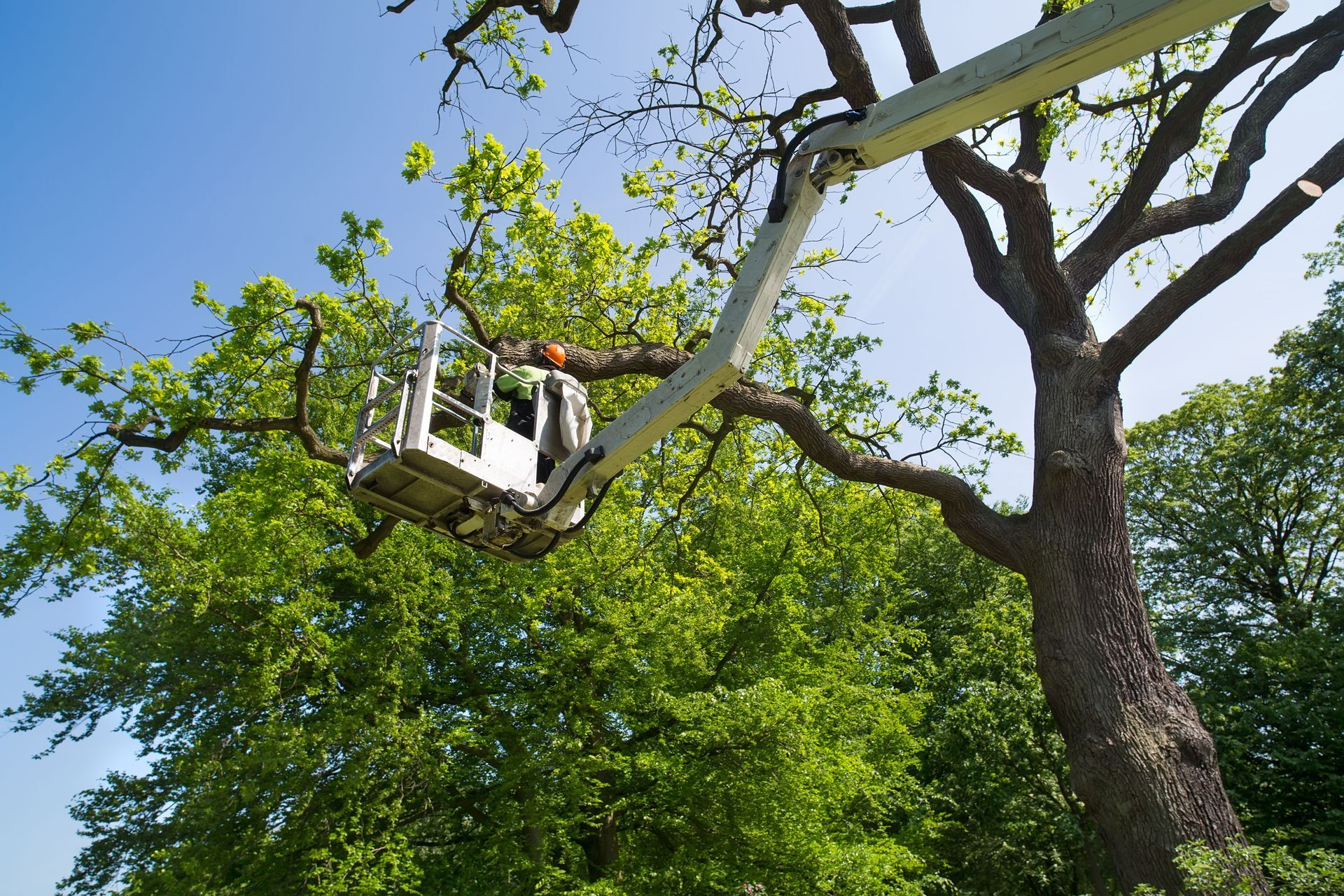
Reaching high canopy branches requires heavy machinery like insulated bucket trucks and crawler cranes. Positioning these massive mechanical vehicles on soft residential soil or sloped terrain involves complex weight distribution calculations. Improper lateral outrigger placement causes heavy cranes to tip over, crushing nearby structures. Certified heavy equipment operators understand distinct soil dynamics and strict machine limitations, ensuring stable platforms for dangerous aerial work.
Protecting the Surrounding Property
Residential and commercial lots feature intricate landscape layouts filled with vulnerable assets. Wooden fences, swimming pools, paved driveways, and delicate garden beds sit beneath heavy timber canopies. A botched tree removal sends massive logs crashing into these costly structures with devastating momentum. Repairing crushed driveway concrete or replacing ruined house roof trusses costs more than hiring professional arborists at the outset.
Underground infrastructure presents an additional invisible complication for property owners. Septic drain fields, pressurized water mains, and plastic irrigation pipes run underneath broad root zones. Felling heavy timber onto the ground sends massive shockwaves through the soil, rupturing underground pipes. Professionals employ aerial speedlining techniques to ferry cut branches through the air, bypassing the ground to protect delicate underground utilities.
Root systems create massive landscape disruptions during the final stages of the process. Machine stump grinding requires immense engine power to pulverize dense root collars buried below the soil line. Flying sharp wood chips and concealed hard rocks turn into hazardous projectiles when struck by high-speed steel grinder teeth. Shielding nearby glass windows from this flying shrapnel requires specialized physical blast barriers.
Post-operation yard cleanup presents a monumental logistical challenge for average homeowners. Felling a mature specimen generates massive volumes of bulky vegetative waste. Professional crews utilize heavy commercial wood chippers and massive grapple trucks to process and transport massive quantities of loose debris. Average homeowners lack the transportation capacity to haul away massive logs, leaving hazardous and unsightly decaying debris piles resting on their front lawns.
Navigating the Legal Regulations
Municipal city codes and local neighborhood ordinances govern arboreal modifications. Many strict jurisdictions require specialized municipal permits before authorizing tree removal, including for native botanical species. City urban planners mandate detailed site plans and specific replacement strategies to maintain healthy canopy coverage. Ignoring these municipal zoning laws results in severe financial code penalties and permanent legal injunctions against property owners.
Comprehensive liability insurance plays a pivotal role in these high-risk neighborhood operations. Legitimate arboriculture companies carry active worker compensation policies and broad general liability coverage. If a massive falling branch shatters an expensive roof or injures a passing pedestrian, the corporate insurance covers the subsequent damages. Uninsured amateur homeowners performing the dangerous work assume the direct financial liability, risking total personal bankruptcy.
Contentious boundary disputes arise when sprawling canopies span across shared property lines. Determining legal ownership and the distinct right to prune shared vegetation involves complex local real estate laws. Professionals consult official property surveys and mediate tense discussions between adjacent neighbors to ensure compliance with strict boundary regulations. They prevent costly civil court litigation by adhering to established legal precedents regarding shared overhanging foliage.
Federal environmental regulations complicate the timber extraction process. Protected migratory bird species build nests in high protective canopies, bringing federal wildlife protection acts into play. Arborists conduct thorough biological site surveys to identify active bird nests and schedule necessary work around delicate breeding seasons. Violating these federal environmental statutes carries severe criminal legal consequences that untrained individuals fail to anticipate.
Attempting DIY tree removal invites total disaster on various unexpected fronts. Extensive property damage, severe bodily injury, and crippling legal liabilities await those who underestimate the massive complexity of this dangerous work. Relying on certified arboreal experts guarantees adherence to crucial safety protocols and complex municipal regulations. Utilizing experienced professional crews remains the rational, secure choice for managing hazardous canopy projects. If you need safe tree removal, contact our dedicated team at Knock On Wood Tree Service LLC. We possess the skills and specialized equipment to clear your property of hazardous timber without risking your safety or your home.